

Free Roof Inspection in Memphis, Germantown and Collierville
A Free Roof Inspection Done From the Roof, Not the Driveway
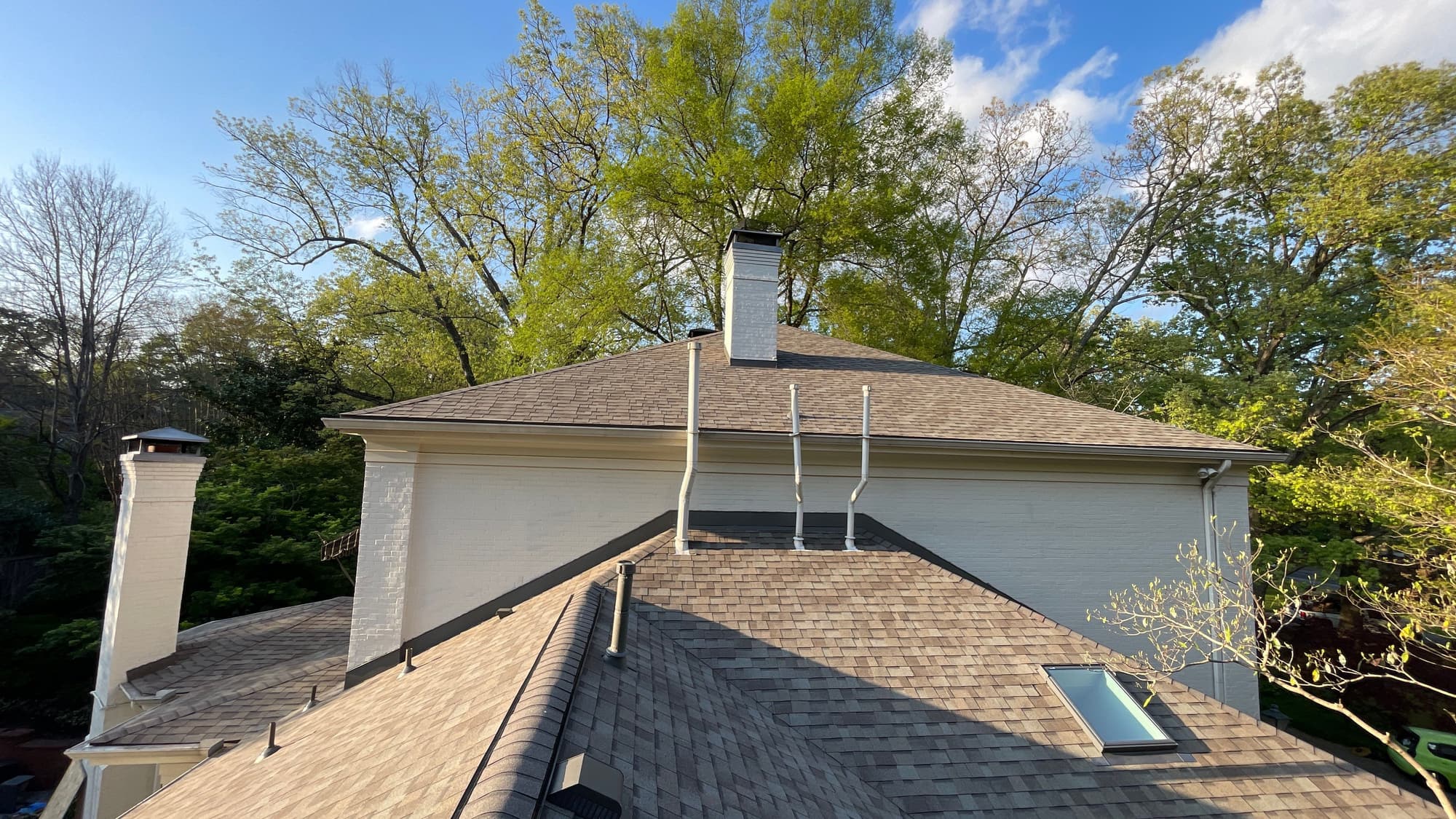
We walk the roof, photograph every area, and give you written findings with your options laid out. Whether you hire us or not, the photos are yours to keep.
5.0 on Google (opens Google reviews in a new tab)On this page
Quick answer
What does a free roof inspection from Reborn Roofing include?
Reborn Roofing's free roof assessment happens on the roof when conditions permit and it is safe. We check shingles and seal tabs, flashing, pipe boots, valleys, ridge and ventilation, drip edge, gutters and signs of decking problems, then give you photos, written findings and your options. There is no charge and no obligation.
01How it works
Five Steps, the Same Way Every Time
- 01
We Listen
Before anyone climbs a ladder, we ask what made you call: a stain, a storm, a sale, an HOA letter, or a roof nobody has looked at in years. That tells us where to focus.
- 02
We Inspect
When conditions permit and it is safe, we get on the roof and walk it. We look at the roof as a whole system, not only the spot you are worried about.
- 03
We Document
We photograph every area of the roof, including the parts that are fine, and note the problems that exist today and the ones likely to show up next.
- 04
We Explain Your Options
You get written findings and a plain explanation of the options, which can range from doing nothing to a repair, a tune-up, cleaning, a maintenance plan or replacement, with our reasoning for each.
- 05
We Complete the Work
If you decide to go ahead, one of our team is there whenever the crew is working. If you decide not to, the photos and findings are still yours.
02What we examine
Your Roof Is a System. We Inspect the Whole Thing.
These are the areas every assessment covers. A problem in one usually shows up in another, so we look at how they work together. The meanings below are what these conditions typically point to, not a verdict on any particular home.
A-01
Shingles and seal tabs
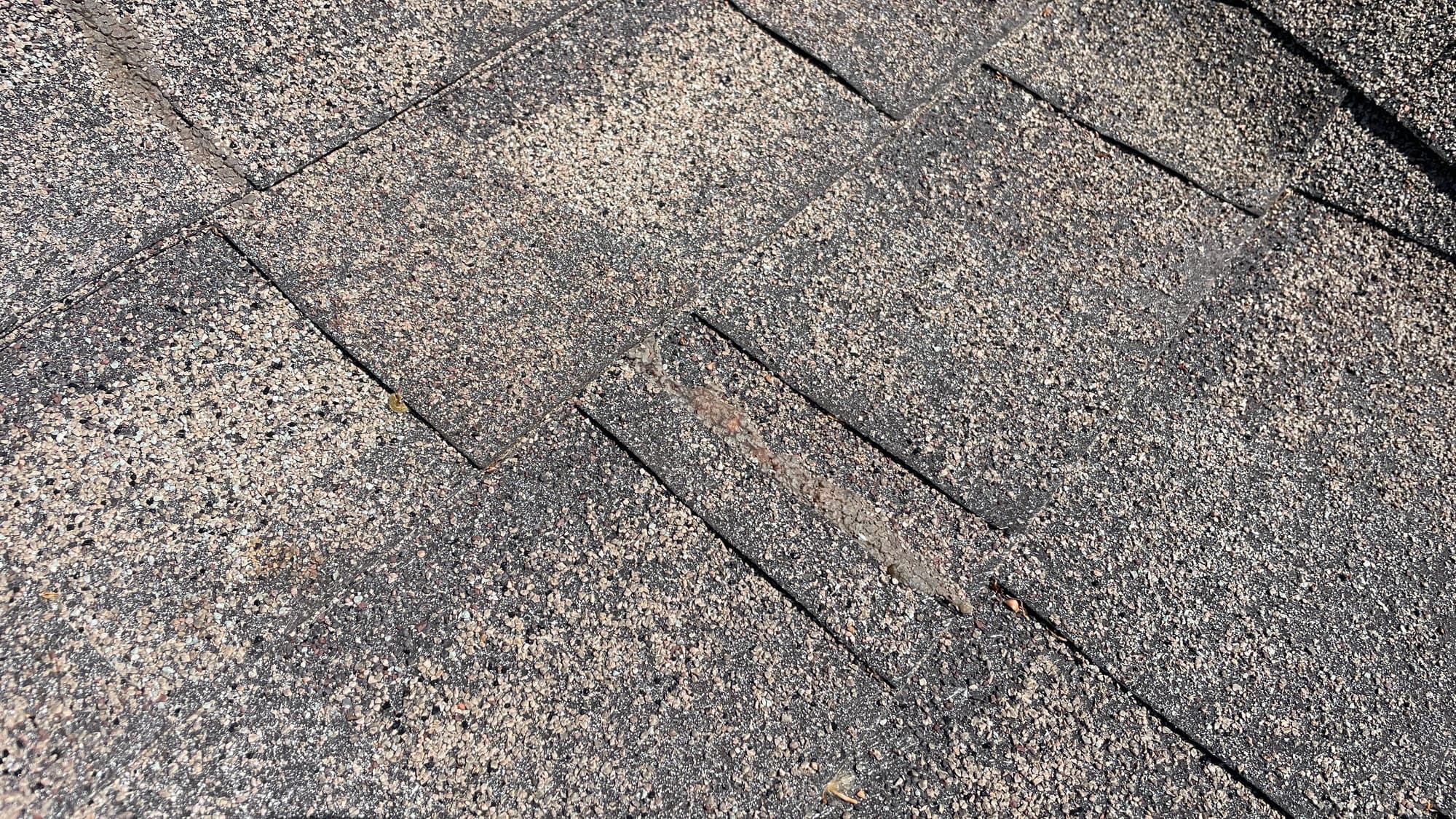
ObservedGranule loss, curling, cracking, brittleness, lifted edges and broken seal strips, slope by slope.
Usually meansShows how the roof is aging overall and whether spot repairs are still practical.
A-02
Flashing
ObservedStep, counter and chimney flashing, wall joints and skylight surrounds, and whether the fasteners are sealed or bare.
Usually meansThese joints are where most leaks start. Bare nail heads here are the most common issue we find.
A-03
Pipe boots and penetrations
ObservedRubber vent boots, exhaust vents, and old mounting holes from dishes or antennas.
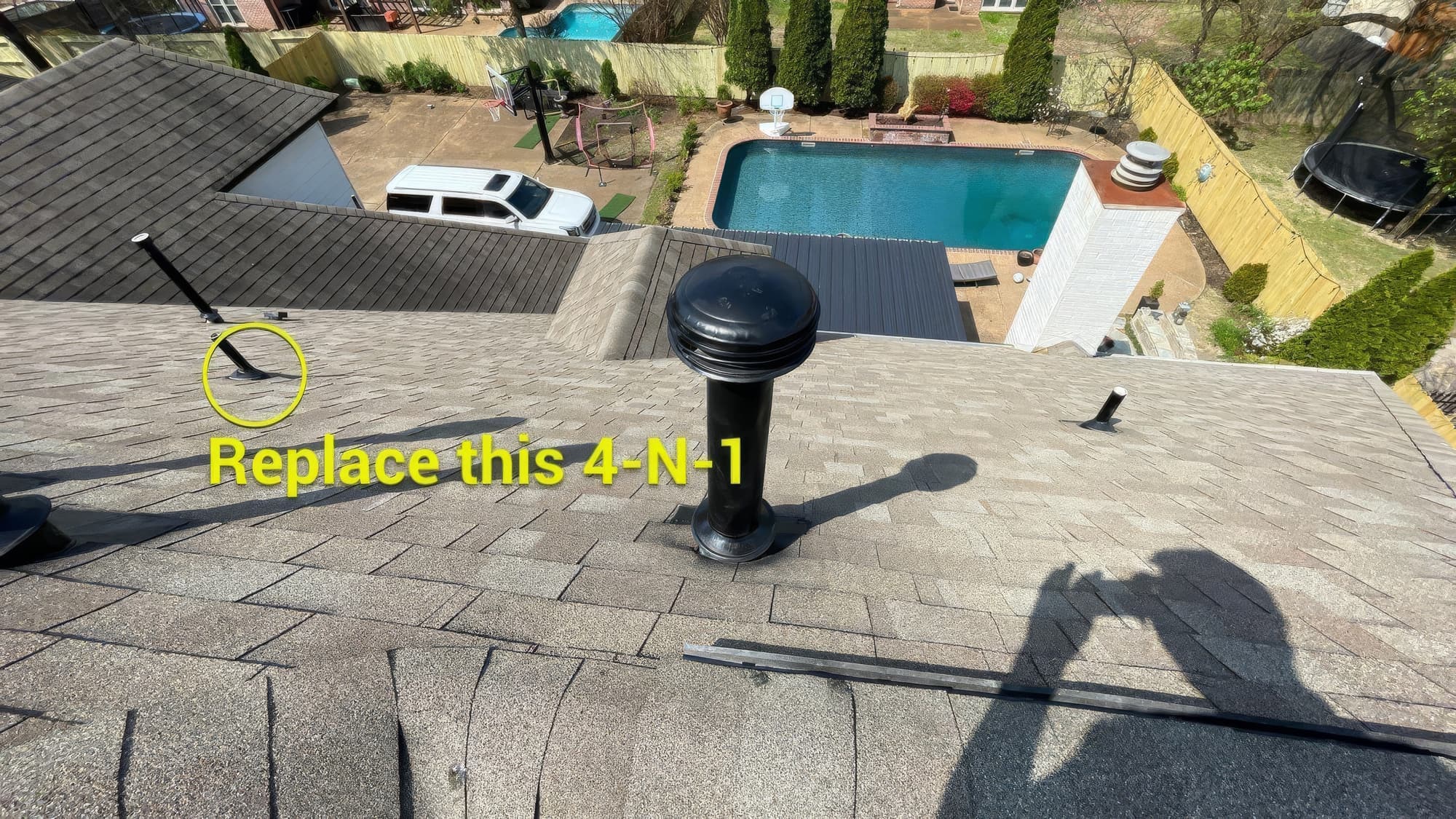
Usually meansRubber dries and splits with heat, and old holes are easy to forget. Both are frequent leak points.
A-04
Valleys
ObservedDebris buildup, worn shingles and the condition of the valley where two slopes meet.
Usually meansValleys carry more water than any other part of the roof. Trapped debris holds moisture there and wears them early.
A-05
Ridge and ventilation
ObservedRidge caps and vents, exhaust vents, nail pops, and signs of trapped heat.
Usually meansPoor airflow bakes shingles from below and can push nails up through them. Ventilation affects how long the whole roof lasts.
A-06
Drip edge and gutters
ObservedThe metal roof edge, the fascia behind it, and gutters that are clogged, sagging or overflowing.
Usually meansWater that does not leave the roof cleanly ends up in the fascia and soffit, and sometimes in the walls.
A-07
Decking
ObservedSoft or spongy spots underfoot, sagging between rafters, and stains on any visible wood.
Usually meansUsually long-term moisture. Decking problems change what a repair involves, and sometimes whether replacement makes more sense.
A-08
Attic, where accessible
ObservedDaylight around penetrations, damp or stained sheathing, and how air moves in and out of the space.
Usually meansThe attic often reveals leaks and ventilation problems before they show on the roof surface or inside the house.
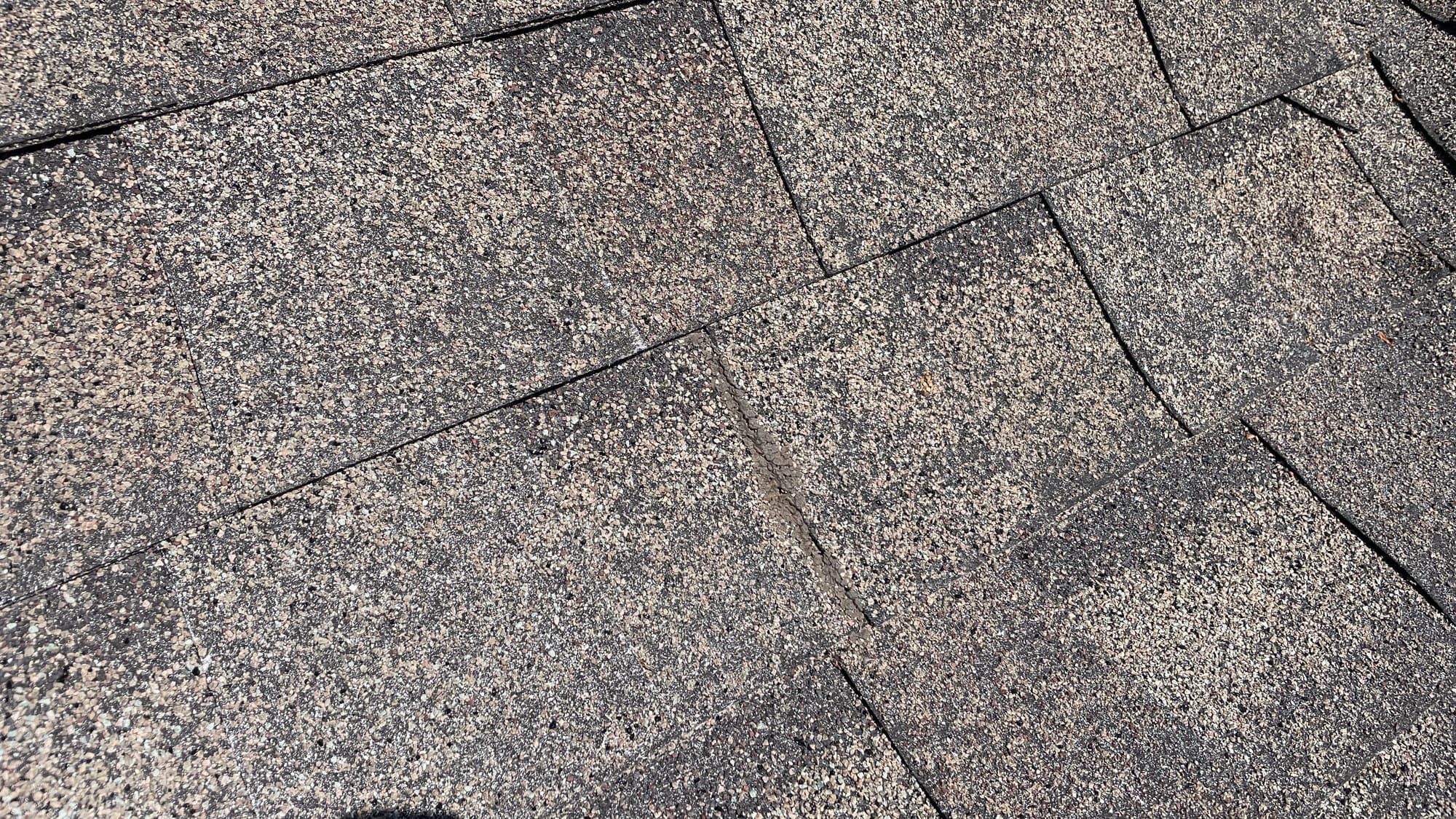
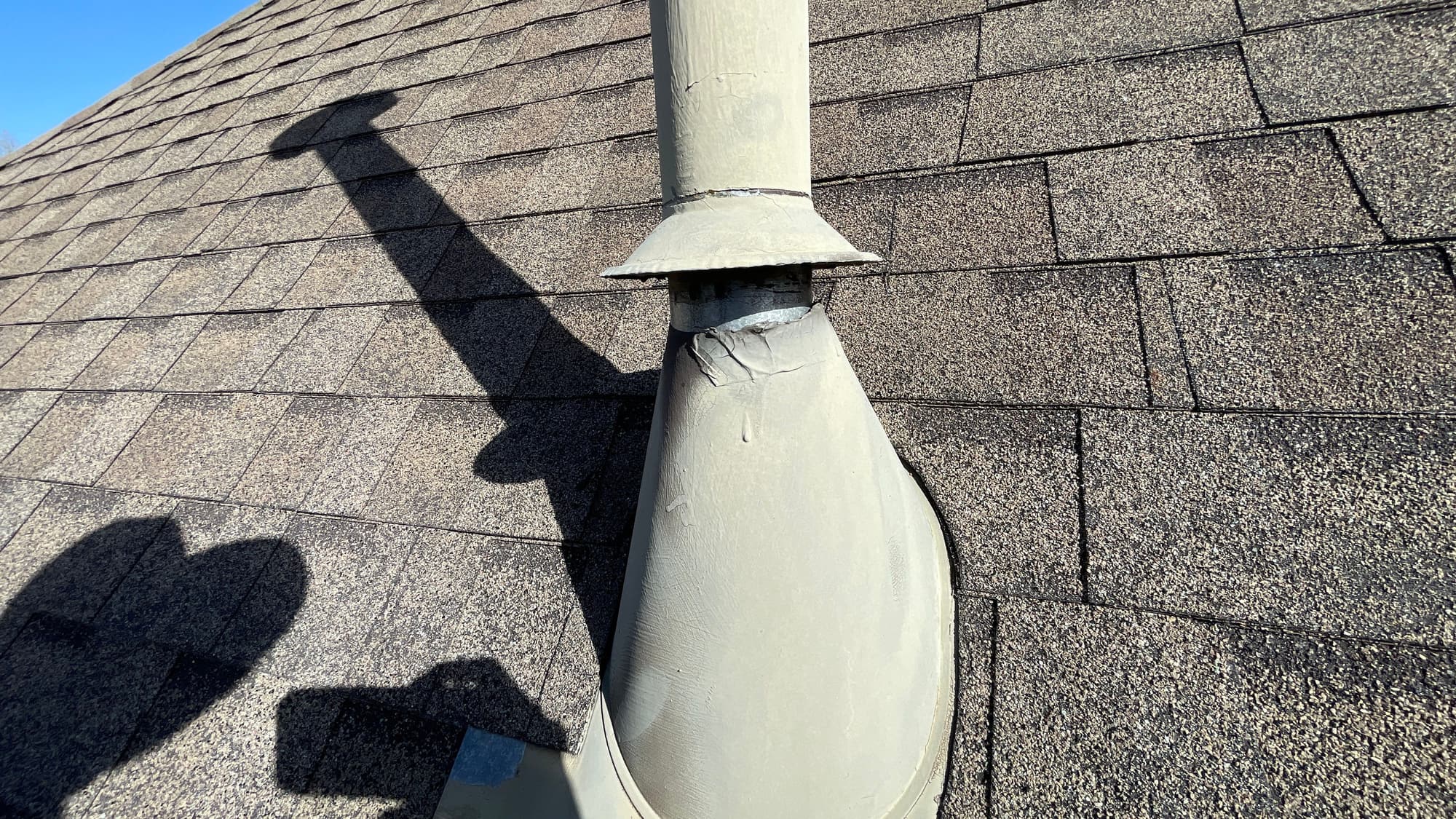
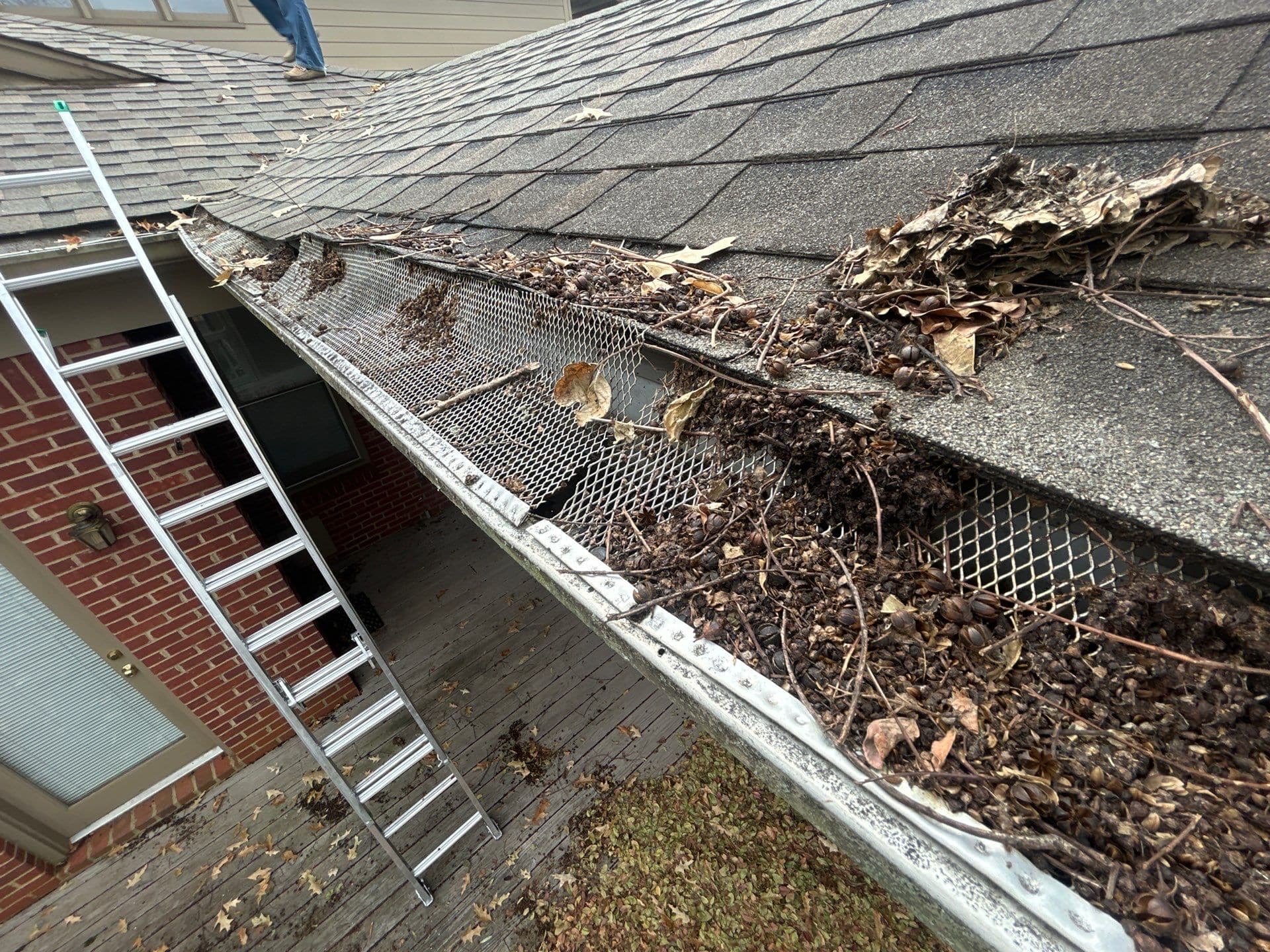
Typical findings, explained in general terms. What your roof needs depends on what we find on it.
Interactive
Tap Through a Roof the Way We Walk It
Every numbered point is something we check on the roof and photograph for you.
Flashing at walls and chimneys
We look at
The metal where the roof meets a wall or chimney, the sealant over it and the nail heads that hold it.
What often goes wrong
Unsealed nail heads on flashings are the most common issue we find. Each one is a path for water to reach the decking.
What You Have in Hand When We Come Down
You get photographs of your roof: the parts that need attention and the parts that are fine. Most homeowners have never been up there, and they should not have to take anyone's word for what is on it.
You get written findings: what we saw, what it usually means, and what tends to happen if it is left alone. We separate what needs fixing now from what can wait and what is fine as it is.
And you get the options, with the reasoning behind each one. If the honest answer is that the roof needs nothing, we tell you that. If it needs replacement, we explain why with the photos in front of you, and we can price a repair and a replacement side by side so you can plan ahead.
You get the photos either way. Whether you hire us, hire someone else or do nothing at all, the record of your roof's condition is yours.
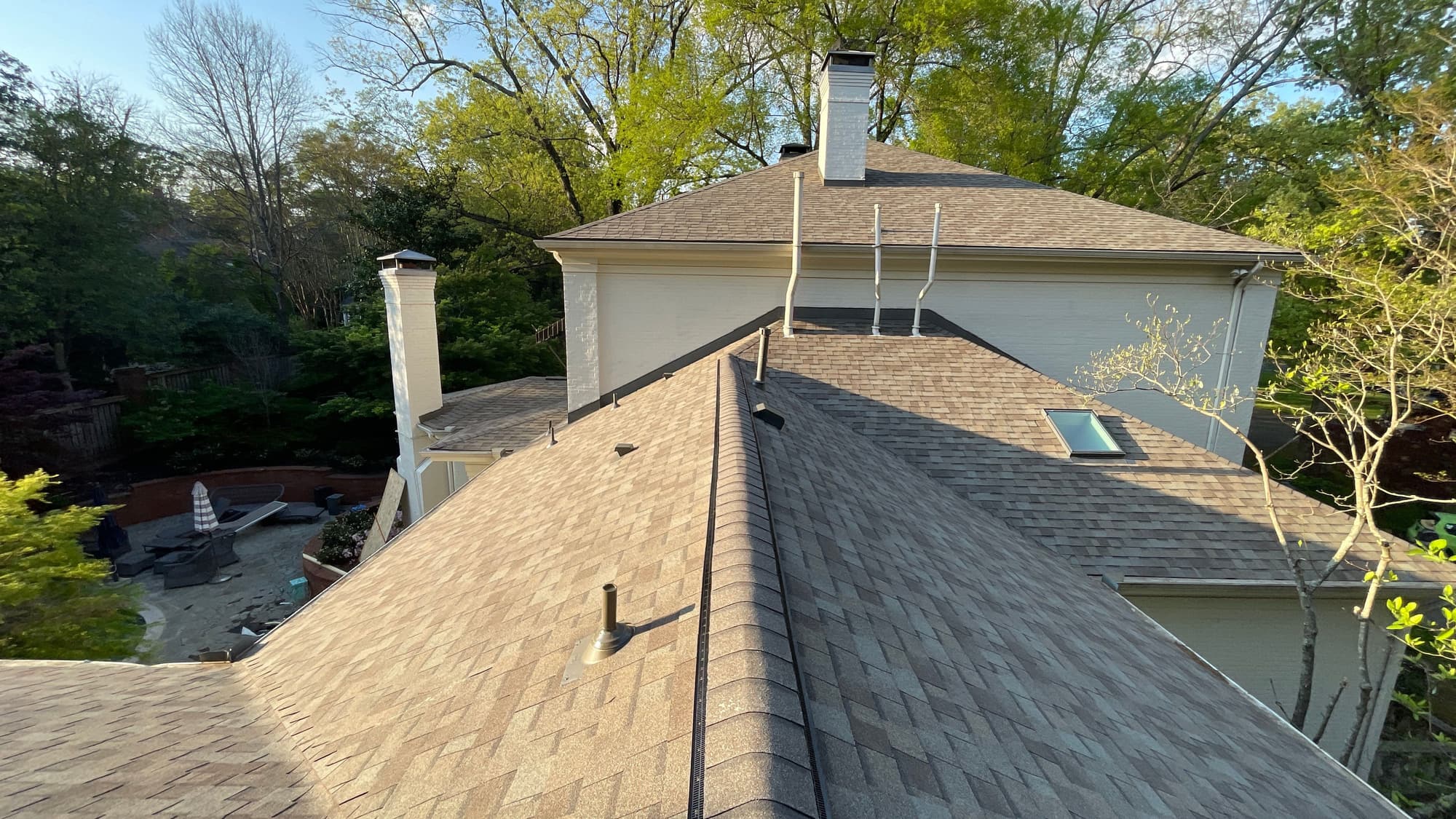
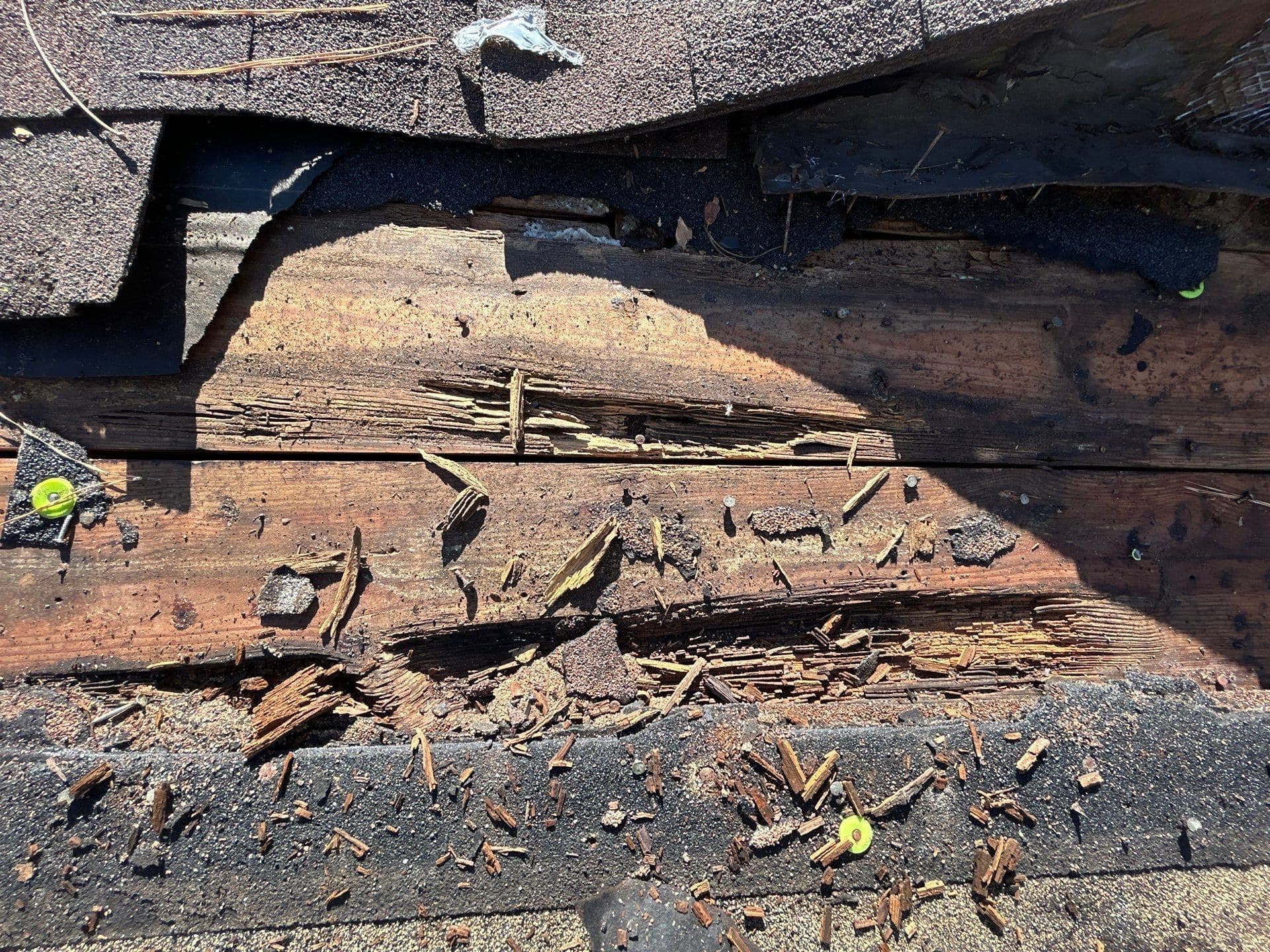
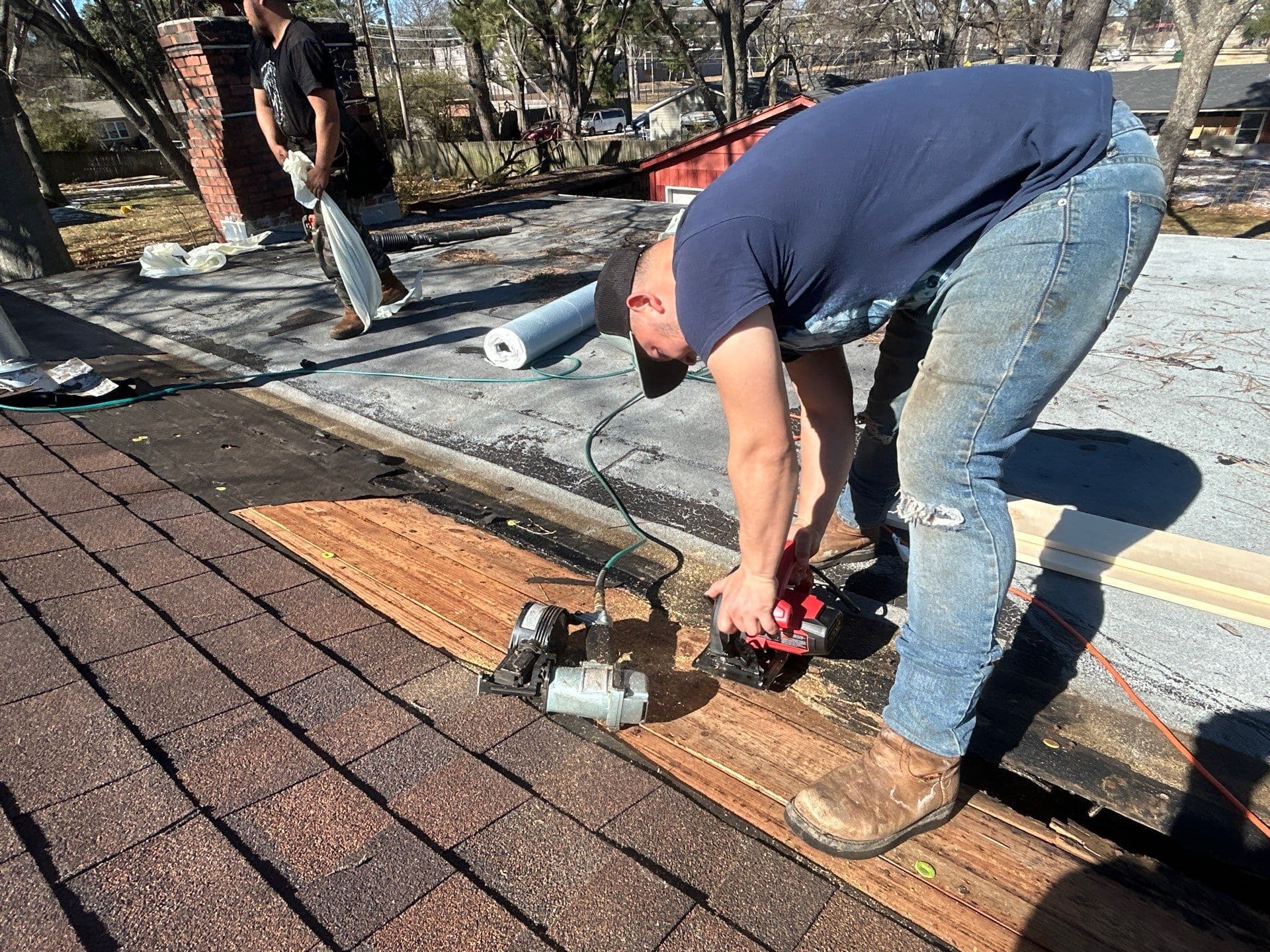
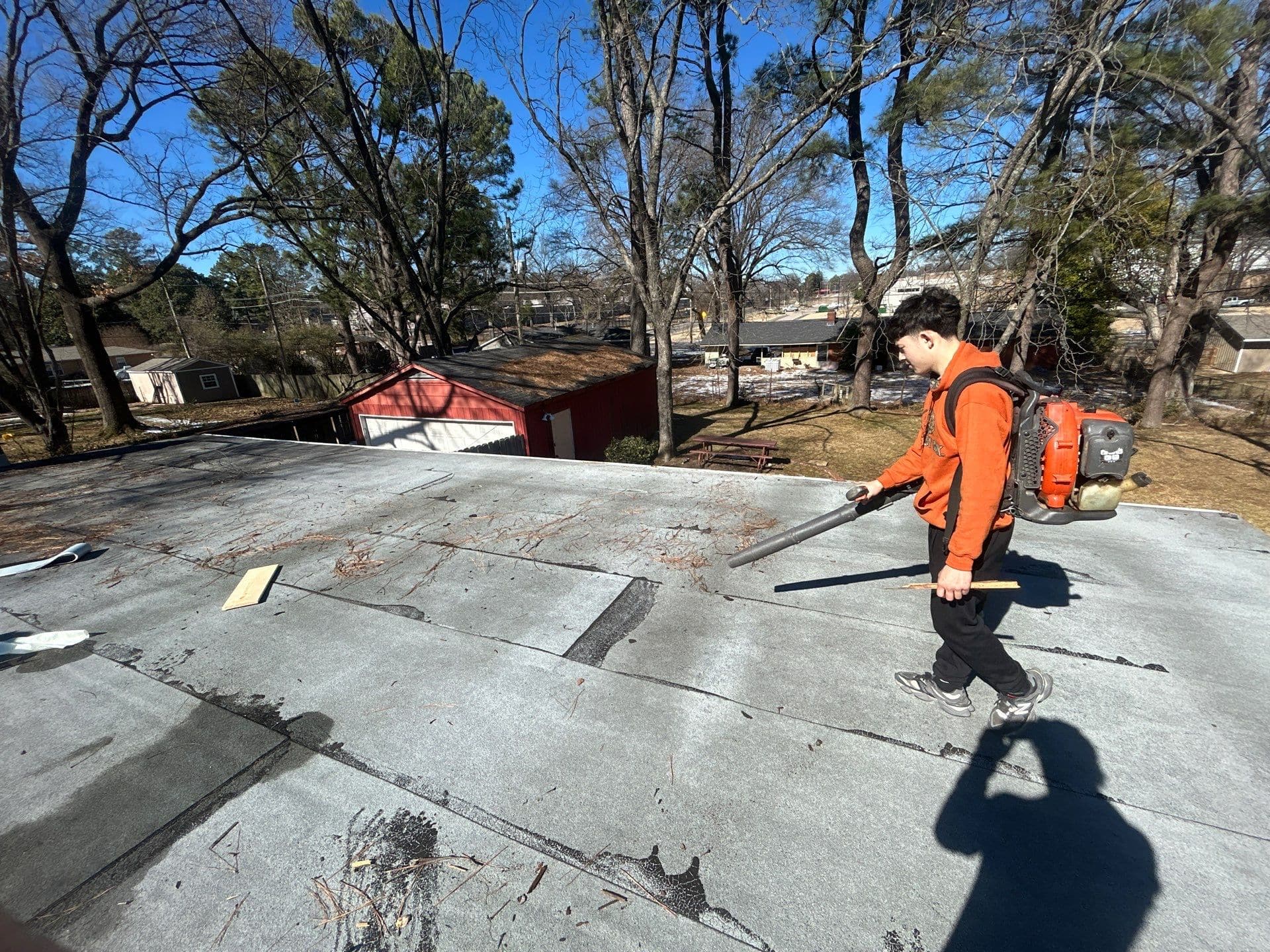
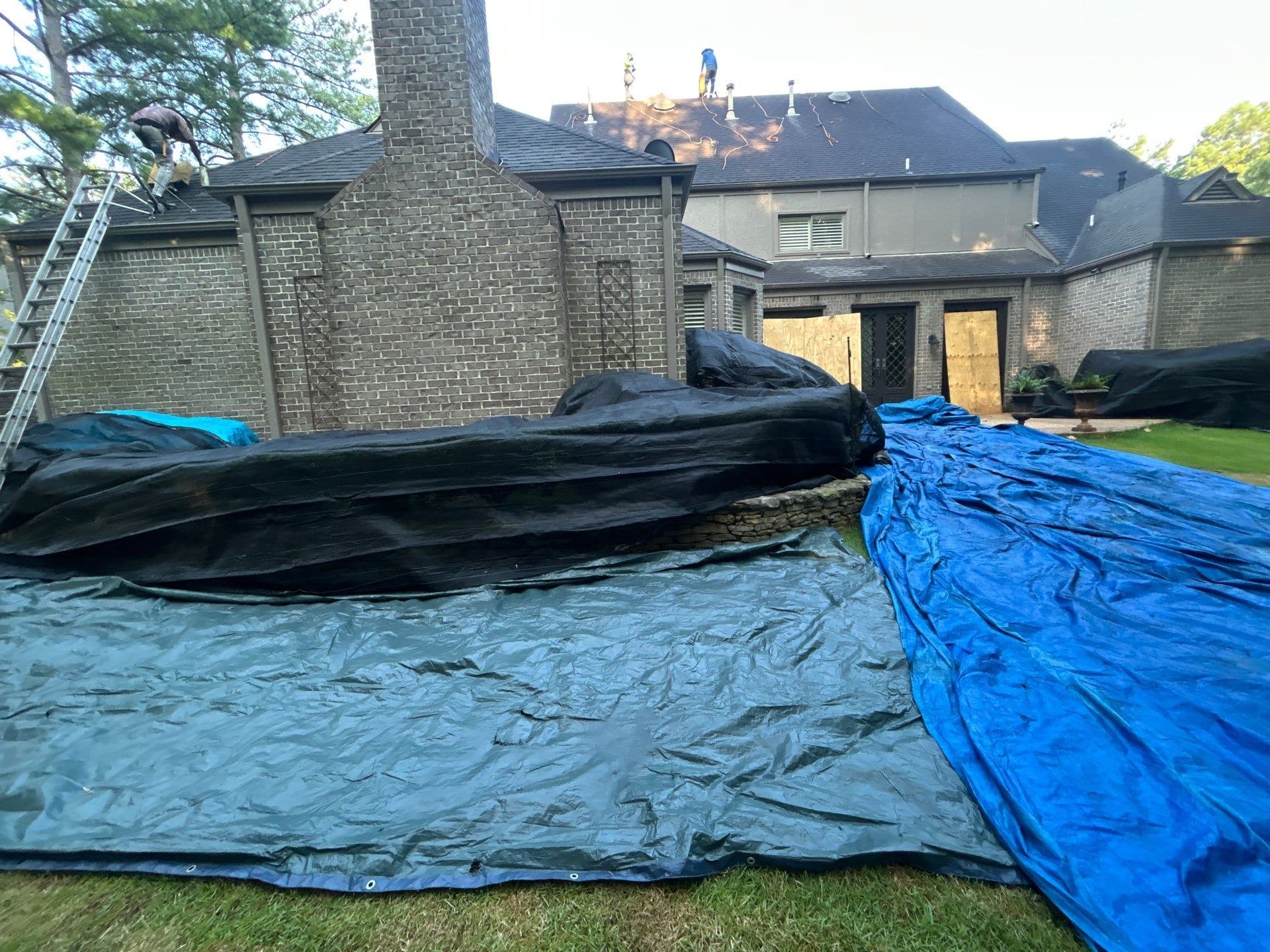
Straight from our assessment photos
See our recent projects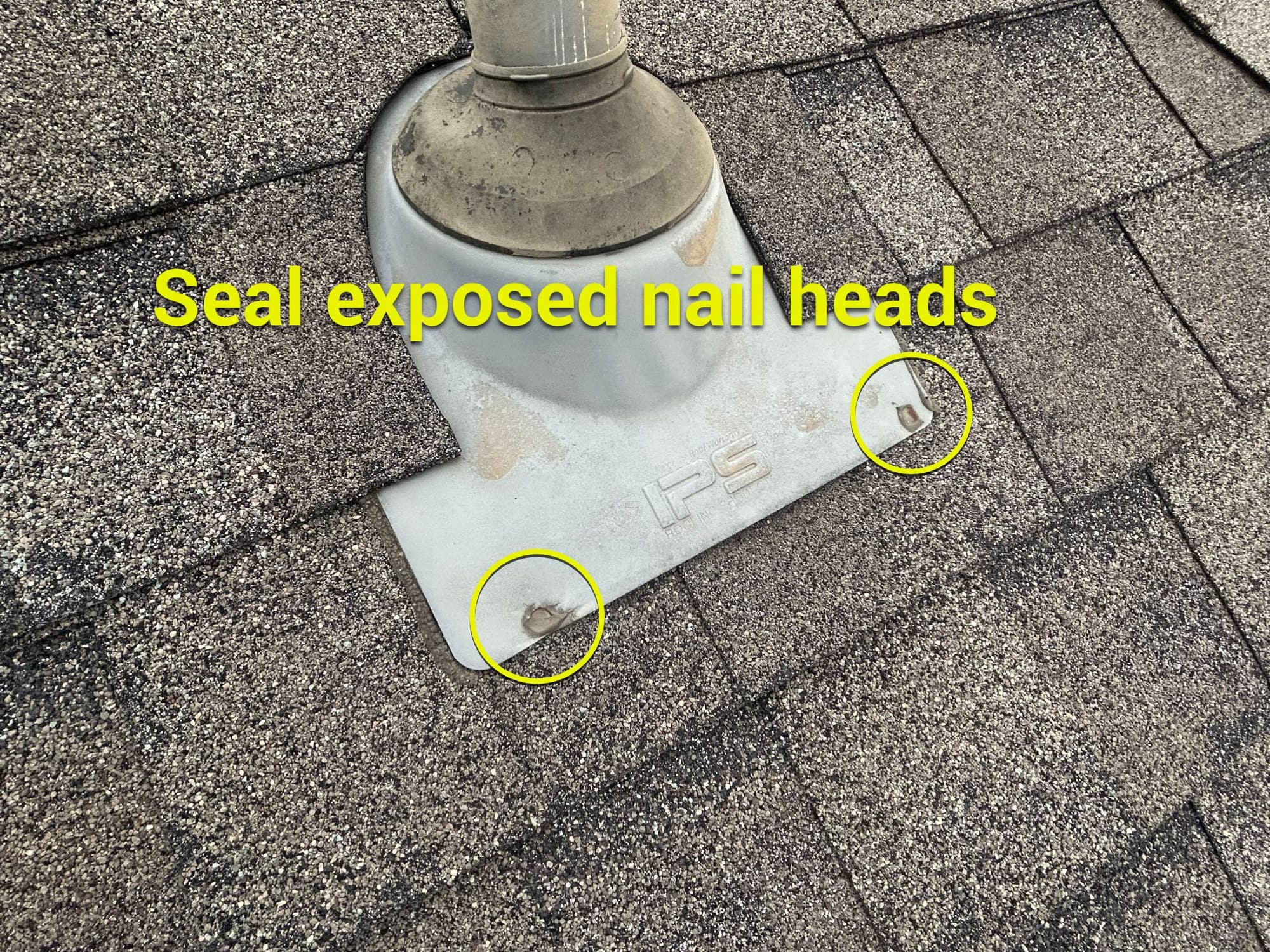
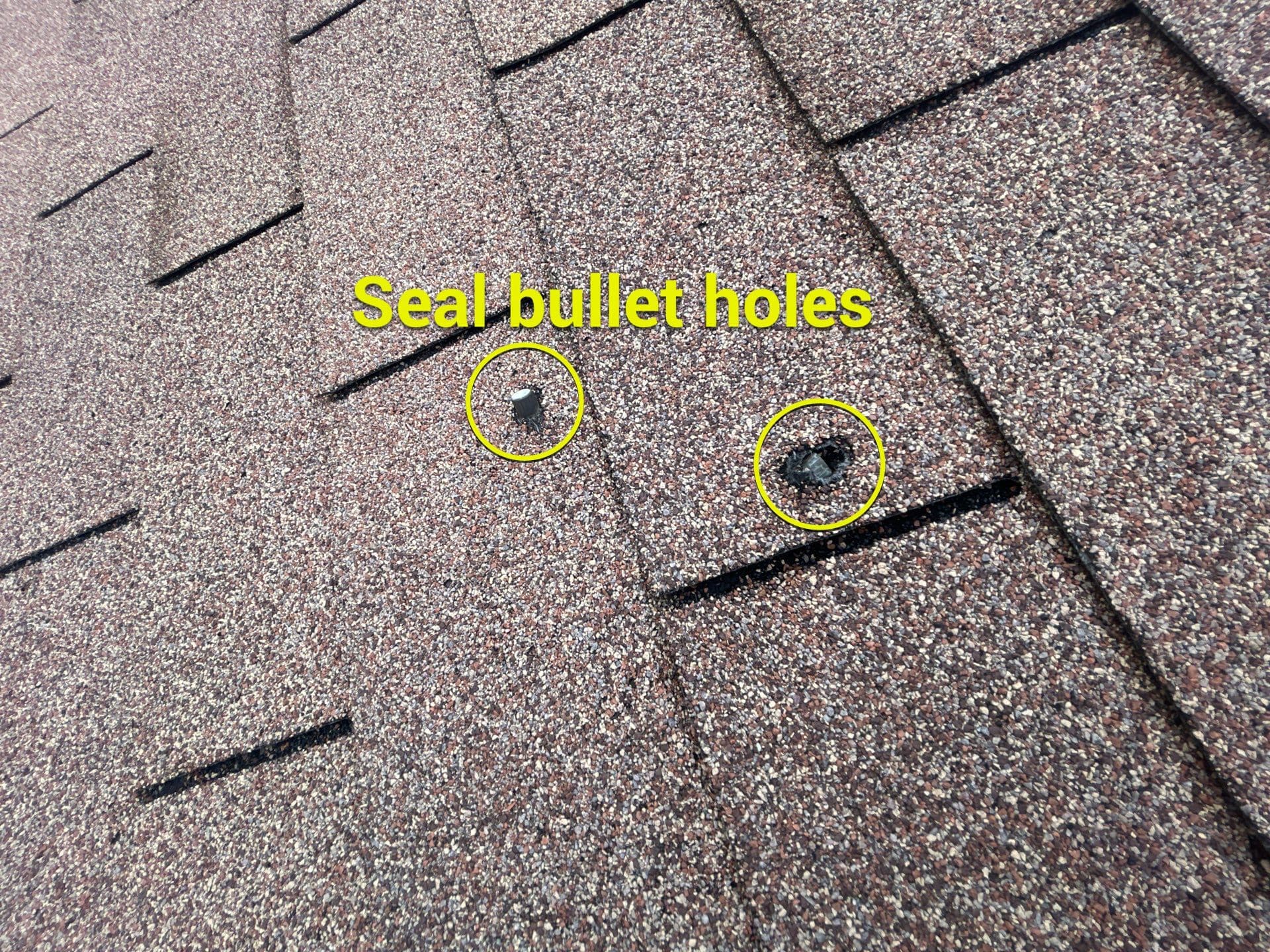
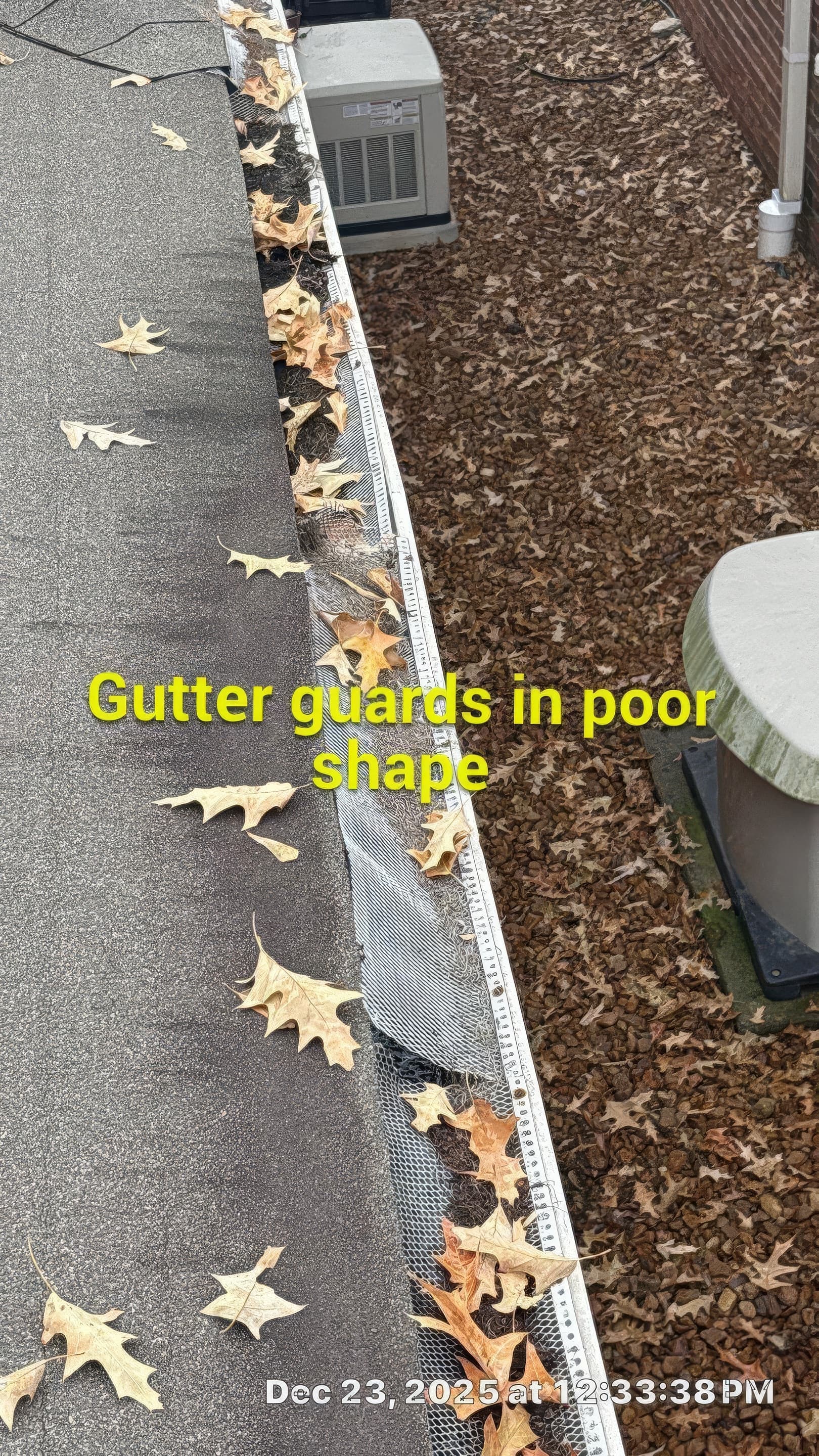
Why People Call Us for an Assessment
A stain, a drip or a missing shingle
Something has changed and you want to know why. We trace it to the cause before we talk about a fix.
Buying, selling or managing a property
Real estate agents and property managers ask us to document a roof's condition before a sale or for an owner. Photos and written findings give everyone the same facts to work from.
After a storm
High wind, hail or a falling limb can damage a roof in ways you cannot see from the ground. A post-storm assessment shows whether you are looking at a repair, a possible claim, or nothing at all.
An older roof nobody has checked
Plenty of roofs have small problems, like bare nail heads or a dried-out pipe boot, that have not leaked yet. Finding them early keeps them small.
A second opinion
If someone has told you that you need a new roof, we will look and tell you what we see. Sometimes we agree. Sometimes a repair is the honest answer.
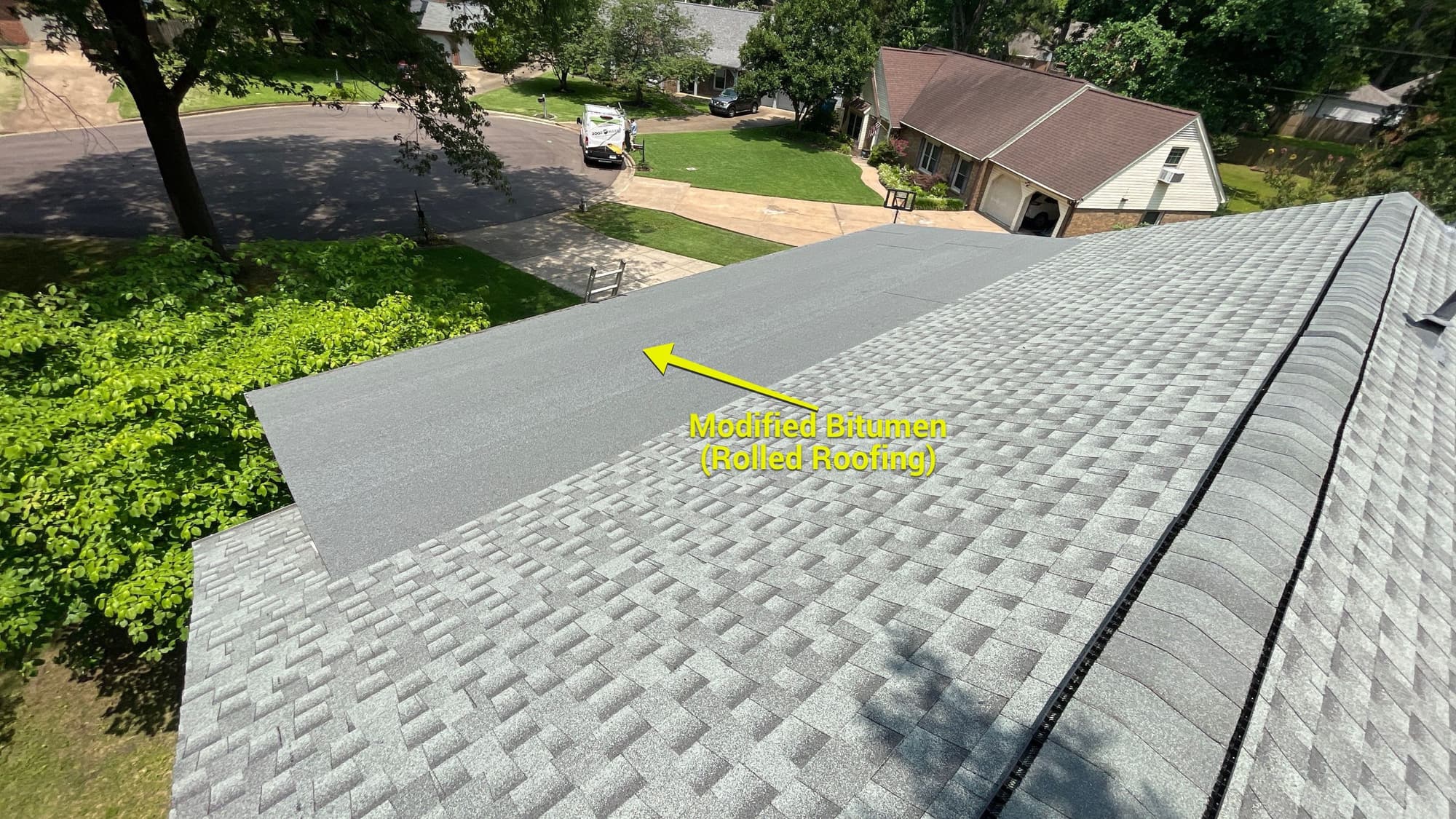
How Often a Roof Deserves a Professional Look
There is no single right interval. It depends on the roof's age and condition, the trees around it and how exposed it is to weather. Many roofs do well with a professional look every one to two years, and any roof deserves one after a major storm.
Some leaks take weeks or months to show inside, so waiting for a ceiling stain means waiting until the problem has had time to grow. If you would rather not keep track, our maintenance plans put the inspections on a schedule for you.
“Reborn came out same day to make a report to my roof and really helped me in a difficult time. The Communication was outstanding and they showed up when they said they would.”
Google reviews
In Our Customers' Words
“The process started with Shelby performing a thorough inspection of our roof, and then offering a very detailed assessment (including many photos and discussing our options). He is extremely experienced & knowledgeable, and also made it very easy & comfortable for me to process the information and make the best decision for us and our home. ... No upselling, no high pressure tactics, just full transparency in providing actual service to the customer and their actual needs.”
“We had Ken perform a roof inspection on a residential unit in Memphis. He provided an honest, professional, inspection report which documented the roof's condition.”
Questions
Free Roof Assessment Questions, Answered
Payment, scheduling and insurance questions live on our main FAQ page.
Is there a catch to a free roof inspection?
No. The assessment costs nothing and you are under no obligation to hire us afterward. We walk the roof, photograph it, and give you written findings and your options. If you decide to do nothing, or to hire another company, the photos are still yours. We would rather earn the work by being right about your roof than by turning the inspection into a sales pitch.
How long does a roof inspection take?
It depends on the roof. Size, pitch, the number of slopes, chimneys, skylights and penetrations, whether the attic is accessible, and what we find along the way all change the time. A simple roof with nothing wrong goes faster than a complicated one with a leak to trace. We do not rush it to fit a schedule, because the point is to see the whole roof.
Do I need to be home for the inspection?
It helps, though it depends on what we need to see. If there is a stain inside or the attic needs checking, someone has to let us in. Being there also means you can tell us what you have noticed and look at the photos with us afterward. If you cannot be home, mention it when you book so we can plan how to get the findings to you.
What if you do not find anything wrong?
Then we tell you so, and you have photos showing the roof in good condition. That is a good outcome, and it does happen. A documented record of a healthy roof is also useful later: if a storm comes through, you have pictures of how the roof looked before it.
What happens if I do not want any work done?
Nothing, apart from us thanking you for your time. You keep the photos and the findings, and the decision stays yours. If a repair, a tune-up, a cleaning or nothing at all is the honest answer, that is what we recommend. When replacement is the right call, we explain why and let you decide in your own time.
Can you inspect the roof on a home I am buying or selling?
Yes. Agents, buyers, sellers and property managers ask us to document roofs, and the assessment works the same way: on the roof when it is safe, photos of every area, written findings and options. It gives everyone in the transaction the same facts about the roof. If repairs turn up, we can price them so they become part of the conversation.
Should I have my roof inspected after a storm?
If the storm brought high wind, hail or falling limbs, yes. Storm damage is often invisible from the ground: shingles with broken seals, bruised shingles, or a dented vent. A post-storm assessment documents what we find with photos. If the damage looks like it may be worth an insurance claim, you have that documentation for your insurer, and we can meet the adjuster. We will not tell you a claim will be approved.
Do you check the attic during an inspection?
Where it is accessible, yes. The attic often shows what the roof surface cannot: stained or damp sheathing, daylight around penetrations, and signs that the space is running hot. Ventilation matters because heat trapped under the roof bakes shingles from below and can lead to nail pops. If we cannot get into the attic, we tell you what that means for the rest of the assessment.
Free roof assessment
Find Out What Your Roof Actually Needs
Book a free assessment. We will get on the roof when it is safe, photograph what we find and walk you through the options. Call (901) 300-3939 or send us a request.