

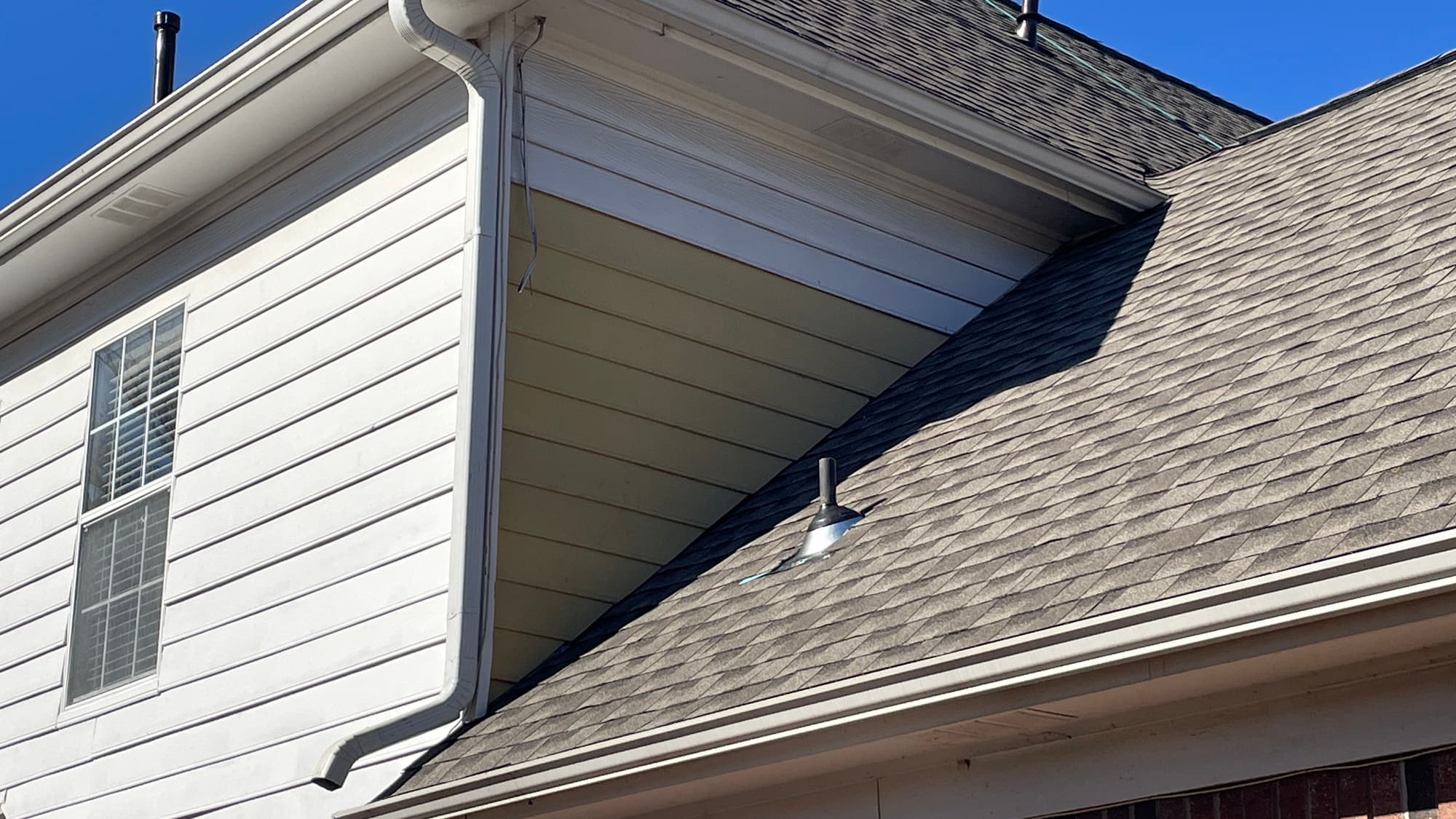
Why the Roof, Not the Driveway
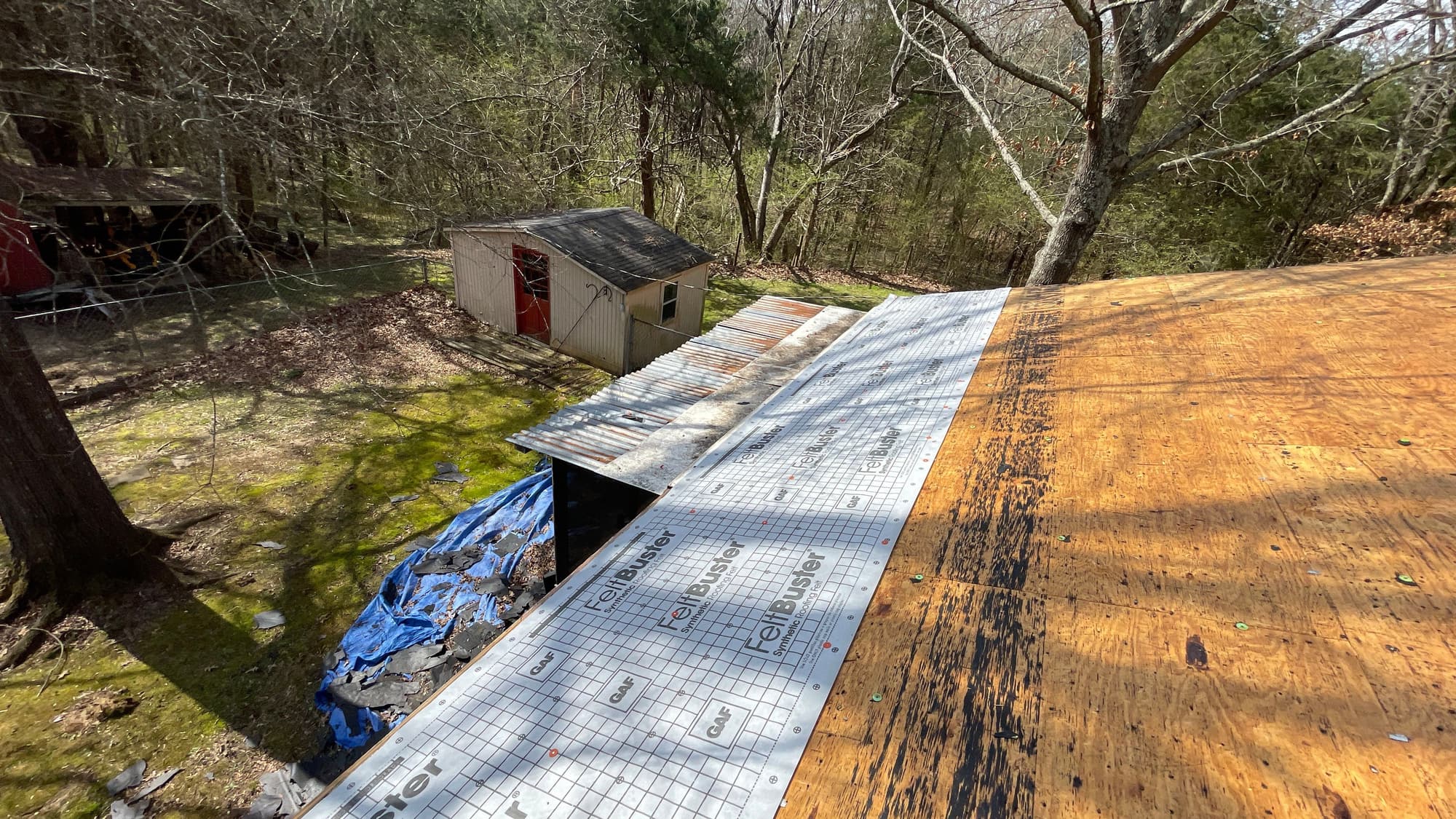
You cannot diagnose a roof from 30 feet below it. Unsealed nail heads, a cracked pipe boot, lifted step flashing and soft decking are all invisible from the ground, and those are the things that decide whether you need a small repair, regular maintenance or a new roof.
That is why our assessments happen on the roof whenever conditions permit and it is safe. It takes longer and it needs equipment. It is also the only way to give a recommendation we can stand behind.
From First Call to Written Options
- 01
You tell us what is going on
When you call or send the form, we ask a few simple questions: roughly how old the roof is, what you have noticed, and whether anything is leaking right now. An active leak changes how quickly we need to be there.
- 02
We arrive and introduce ourselves
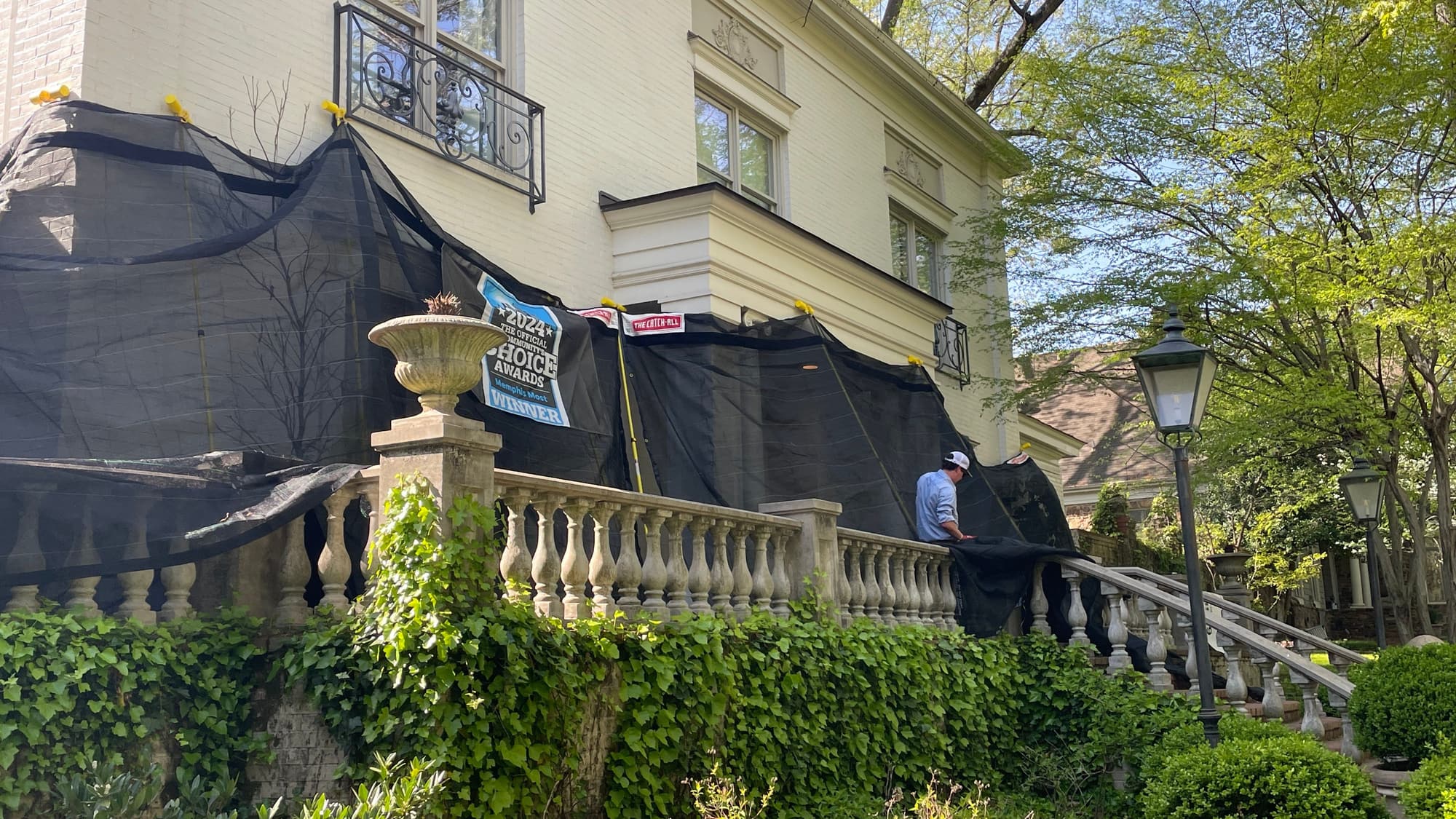
You will see a wrapped truck and people in logoed clothing. We park on the street rather than in your driveway when we can.
- 03
We walk the outside of the house
From the ground we look at the gutters and downspout outlets for granules, the fascia and soffit for rot, and the overall lines of the roof for sagging.
- 04
We go up
On the roof we walk every slope and check the shingle surface, flexibility, flashing at chimneys, walls and vents, pipe boots, valleys, ridge and the nail heads that hold it all together.
- 05
We look at ventilation
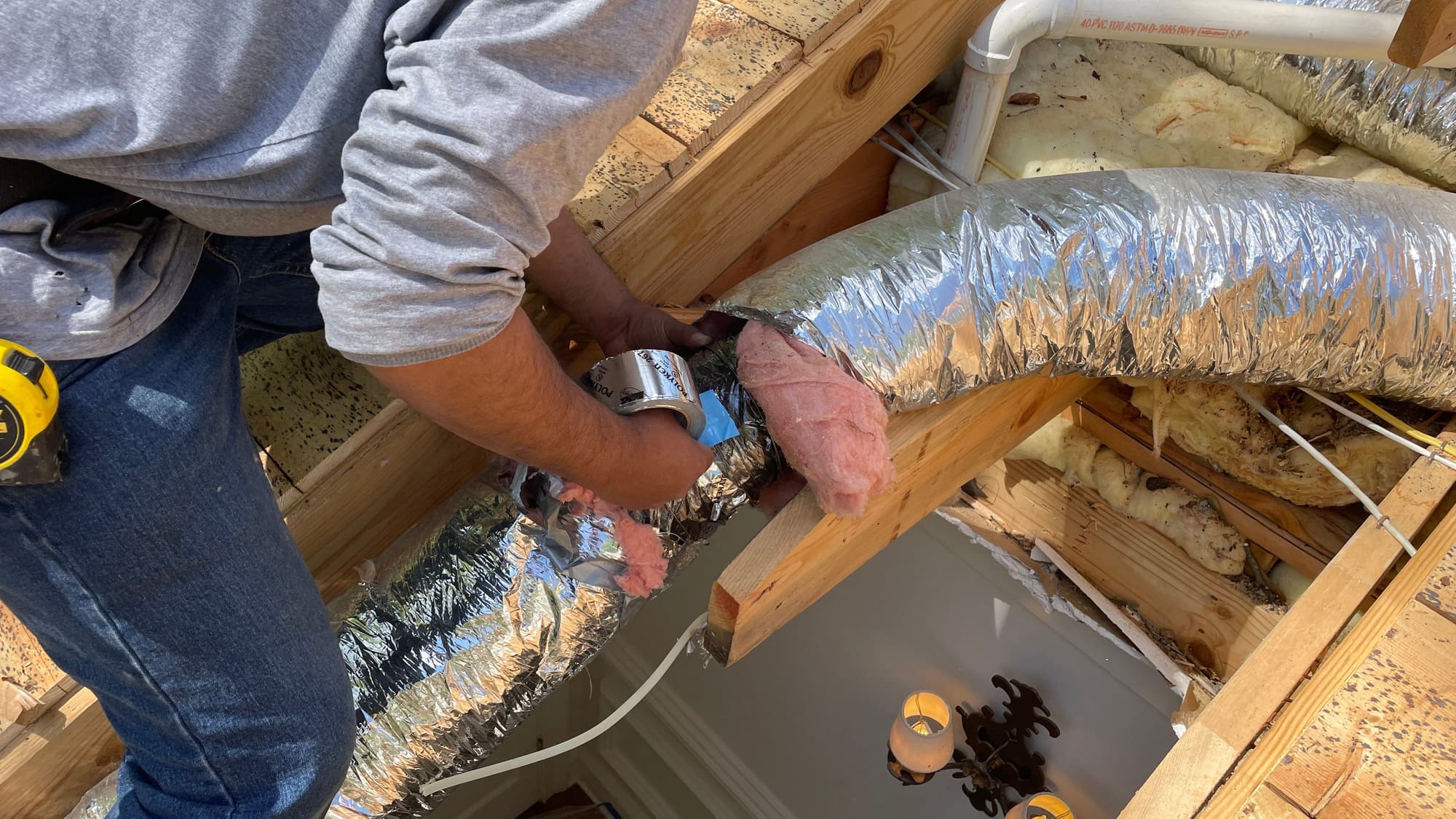
Attic ventilation affects how long shingles last, so we look at intake and exhaust and for signs such as nail pops.
- 06
We photograph everything that matters
Each problem area is photographed, along with areas that are in good shape, so you have a complete picture.
- 07
We sit down and explain it
We separate what needs attention now, what can wait and should be watched, and what is fine. If there is work to do, you get written options to review and approve online or on paper.
What We Are Looking For
Missing, lifted or creased shingles
Usually wind-related, and often repairable if the surrounding shingles are sound.
Exposed or unsealed nail heads
The single most common issue we find, especially on flashing.
Flashing gaps
Separated flashing at chimneys, walls, vents and skylights.
Pipe boots
Rubber gaskets that have dried out and split.
Debris in valleys and behind dormers
Trapped leaves hold moisture against the shingles.
Granule loss, curling and cracking
The signs that tell us how much life the shingles have left.
Algae or moss
Whether it is cosmetic or holding enough moisture to matter.
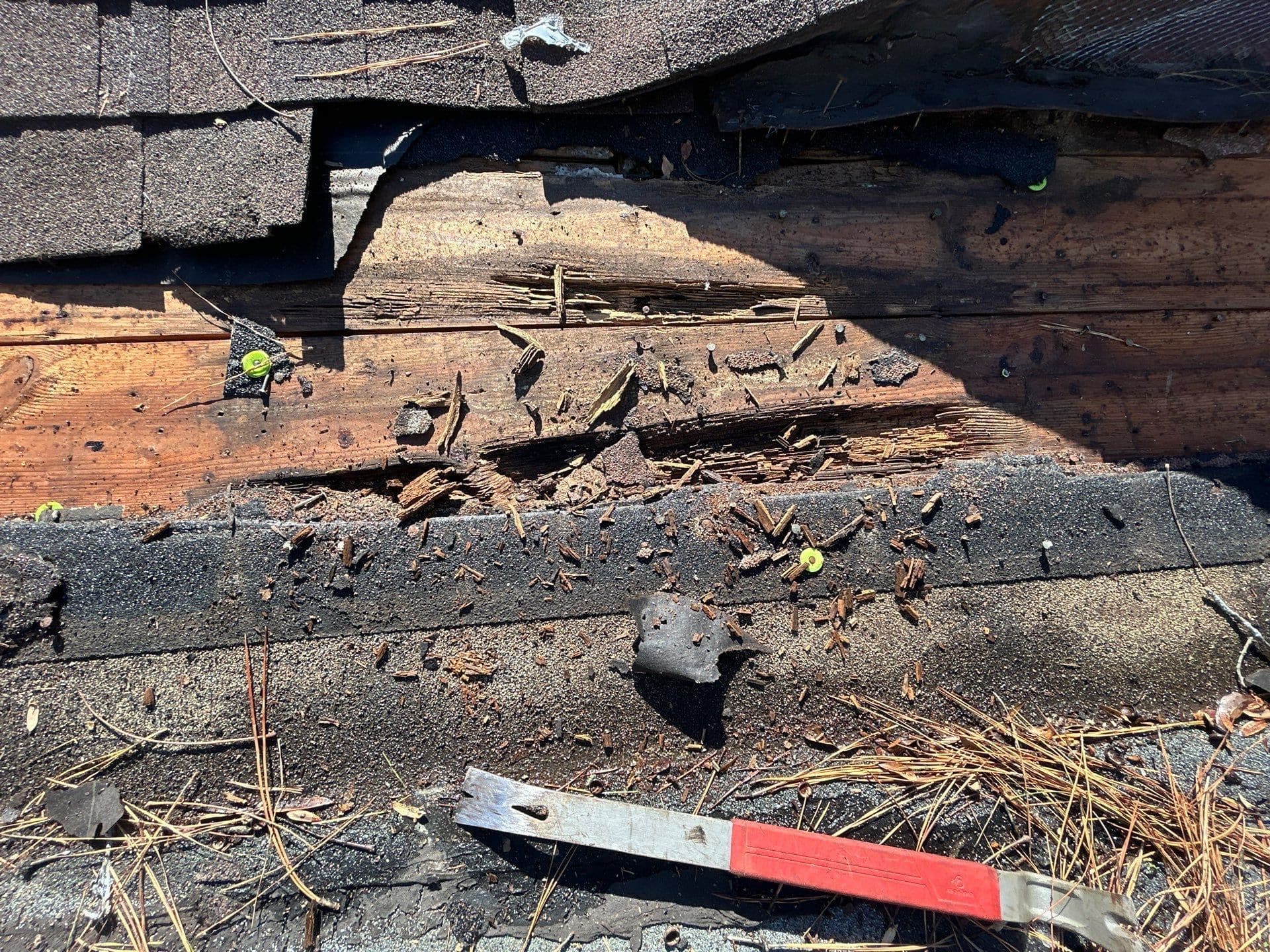
Soft decking
Spots that give underfoot, usually from a long-running leak.
How to Prepare
None of this is required, but each item helps us find problems faster.
- 01
Note where and when it leaks
Every rain, or only in wind-driven storms from one direction? That pattern narrows the search on the roof.
- 02
Take photos of any stains
Especially if they grow or change after rain.
- 03
Find the roof's paperwork
Install date, shingle type, warranty documents and past repair invoices, if you have them.
- 04
Keep any letters
HOA notices or insurer letters about the roof's condition tell us what question you need answered.
- 05
Clear the way to the attic
If the access is in a closet or garage, a clear path saves time.
- 06
Mention gates and pets
We will be walking the whole outside of the house and setting a ladder, so let us know about locked gates, dogs in the yard or anything fragile near the walls.
What You Should Walk Away With
At the end of a good assessment you should understand the condition of your roof in plain language, have seen photos of anything that needs attention, and know your options. Sometimes the best outcome is hearing that there are no problems at all. In that case you also have a dated record of the roof's condition, which is worth keeping.
How often to repeat it depends on the roof's age, its condition, the trees around it and how exposed it is to weather. NRCA recommends inspections twice a year, in spring and fall, plus after severe weather. In practice, many roofs in this area do well with a professional look every one to two years and after any major storm, and our maintenance plans schedule that for you.