

Heat: The Slow One
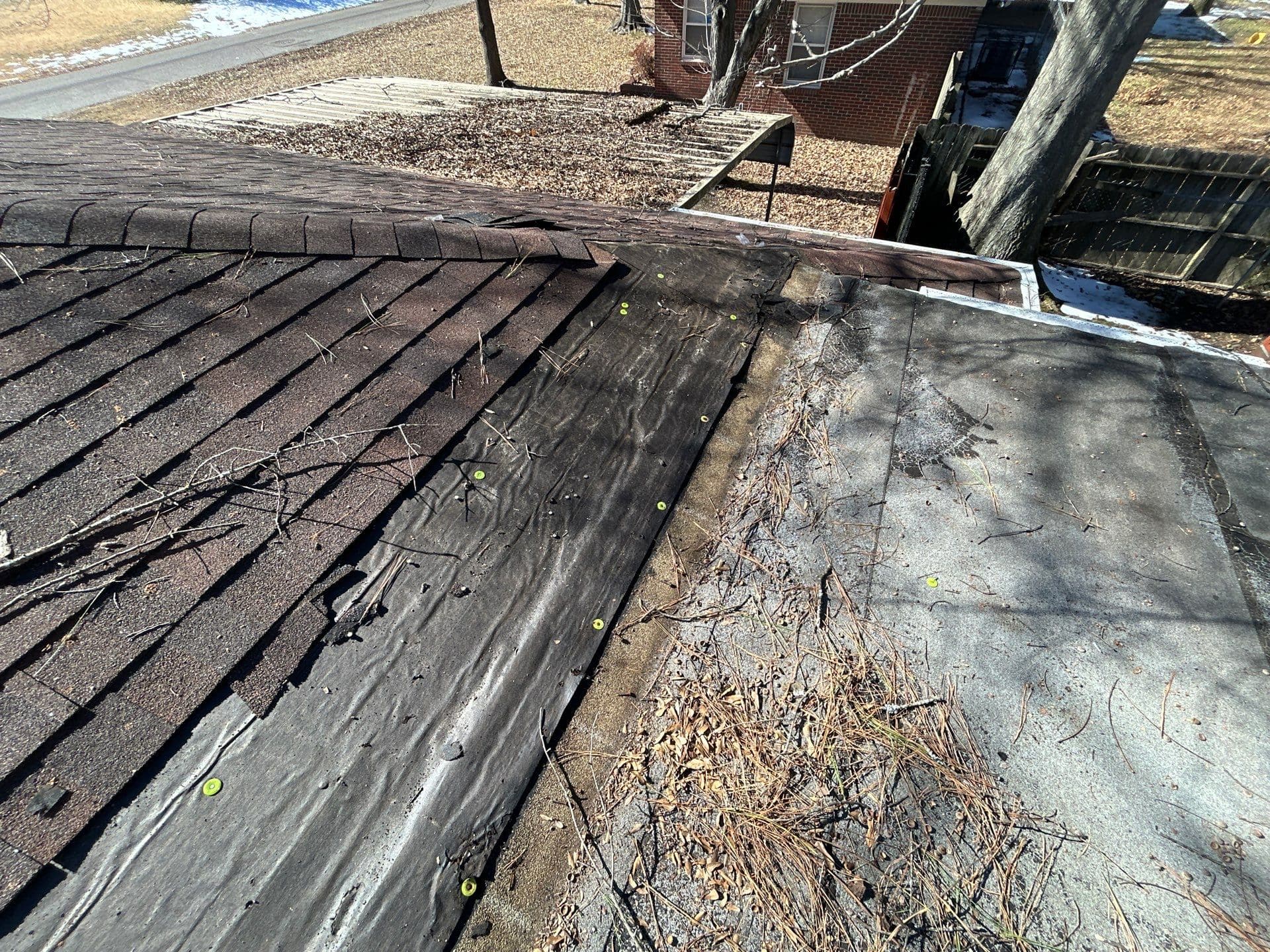
Heat is the worst enemy of asphalt shingles. In the Mid-South, roof temperatures can climb past 150 degrees on a summer afternoon. Day after day, that heat dries out the oils in the asphalt. As the asphalt dries, it holds its protective granules less firmly, the granules start to shed, and the shingle gradually turns stiff and brittle.
A roof also takes heat from below. If the attic cannot vent hot air, the underside of the roof deck bakes at the same time the sun is working on the top. That combination is why two identical roofs on the same street can age at very different rates.
NRCA's homeowner guidance makes a related point: asphalt shingle roofs take the most wear during periods of the most intense sun and heat, and during below-freezing spells. Our summers handle the first part thoroughly, and the occasional hard freeze adds the second.
Humidity: The Quiet One
Moisture does its damage where the roof stays damp longest. North-facing slopes, sections shaded by large trees and the areas behind chimneys and dormers can stay wet for hours after the rest of the roof has dried.
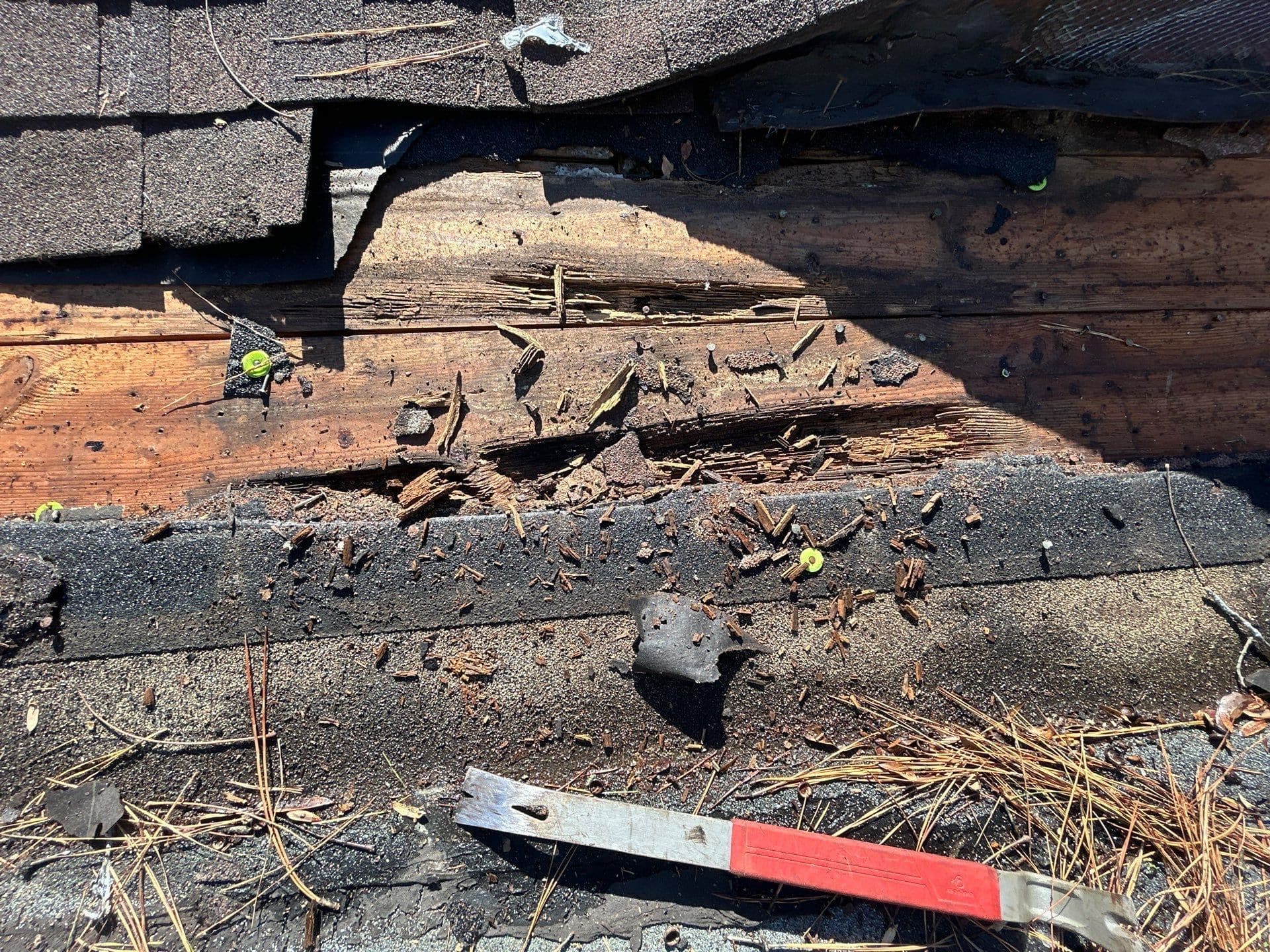
That is where algae settles. ARMA notes that algae discoloration is most widespread in the Gulf States and other warm, humid regions, and the black streaks on so many roofs across the Memphis area are the result. It is also where leaves and pine straw collect in valleys, holding water against the shingles and wearing the surface faster than sun exposure alone would.
Storms: The Sudden One
Wind works on shingle edges. A strong gust can catch an edge and break the adhesive seal that holds it down. Once that seal is broken, every storm afterward lifts the shingle a little further until it creases, tears or blows off.
Hail bruises and cracks shingles and knocks granules loose, and the damage is often invisible from the ground. Falling limbs can puncture the roof outright. NRCA also notes that windblown debris tends to collect in gutters and downspouts after storms, which can cause drainage problems later if nobody clears it.
NRCA recommends having a professional inspect any roof affected by severe weather, whatever it looks like from the yard, and doing your own checking from ground level only.
Signs the Weather Is Winning
None of these means you need a new roof. Each one means the roof deserves a closer look.
- 01
Granules in the gutters
Some shedding is normal on a new roof. Heavy buildup on an older one means the protective layer is wearing away.
- 02
Curling or cupped edges
Shingles that no longer lie flat have usually lost flexibility to heat.
- 03
Dark streaks on shaded slopes
Algae, usually cosmetic at first, but a sign that part of the roof is staying damp.
- 04
Shingle pieces in the yard
After wind, any debris on the ground means something on the roof has lifted or torn.
- 05
Raised nail heads
Nail pops are often tied to heat and poor attic ventilation, and they create leak paths.
- 06
New ceiling stains
The roof has already let water through somewhere, and it may not be directly above the stain.
Three-Tab or Architectural in This Climate
These are the lifespans we see in our own work across the Mid-South, not manufacturer warranty terms.
Generally about 16 to 18 years here
Three-tab shingles
- Thinner, single-layer shingle
- Lower material cost
- Flat, uniform look
Generally about 18 to 22 years here
Architectural shingles
- Thicker, laminated shingle
- Slightly higher cost
- Longer service life and better curb appeal
- What we recommend for most homes
Installation, ventilation and maintenance can move a roof toward either end of those ranges, or below them. Some designer shingles can legitimately last much longer, but they cost considerably more.
A Year on a Mid-South Roof
Each season leaves something different behind. A good maintenance rhythm follows the calendar.
Spring
Storm season. Wind-lifted shingles, limb strikes and hail bruising are the things to look for after the first strong fronts move through.
Summer
Peak heat. The attic is at its hottest, shingles age fastest, and weak sealant on flashing dries and cracks.
Fall
Leaf season. Valleys, gutters and the backs of chimneys and dormers fill up and start holding moisture against the roof.
Winter
Freeze and thaw. Water that got under a lifted shingle or into a cracked boot can freeze and widen the gap, and the next rain finds it.
Where Replacement Fits In
When heat has made shingles brittle across the roof, or storms have damaged more than can sensibly be repaired, replacement is the honest answer. When that happens, the climate should shape the new roof: shingles suited to heat, ventilation designed for a hot attic, and flashing details that stand up to wind-driven rain.
Until then, the goal is to catch the weather's work early, while a sealant touch-up or a few re-secured shingles still solves it.